An ASU Mastercard Foundation Scholar’s Kenya pilot teaches AI literacy through storybooks and reading clubs

An ASU Mastercard Foundation Scholar’s Kenya pilot teaches AI literacy through storybooks and reading clubs

Fulton Schools is helping connect the research, talent and partnerships needed to support the growth of quantum computing

Role will expand AI-driven manufacturing and supply chain research and strengthen industry partnerships in the Fulton Schools

The collaboration connects Fulton Schools cybersecurity research with Charm Security’s industry expertise

A new scholarship prepares students to turn CyberAI skills into careers protecting critical digital systems

Hannah Kerner recognized for advancing AI that improves food security and disaster resilience

As AI accelerates cyber threats, a first-of-its-kind conference examines how research must evolve to stay ahead

Rakibul Hasan receives an NSF CAREER Award to build tools that help universities use student data responsibly without turning it into a surveillance system.

YZ Yang is helping unite researchers, tech companies and policy groups to create reliable ways to detect and even forget AI-generated images
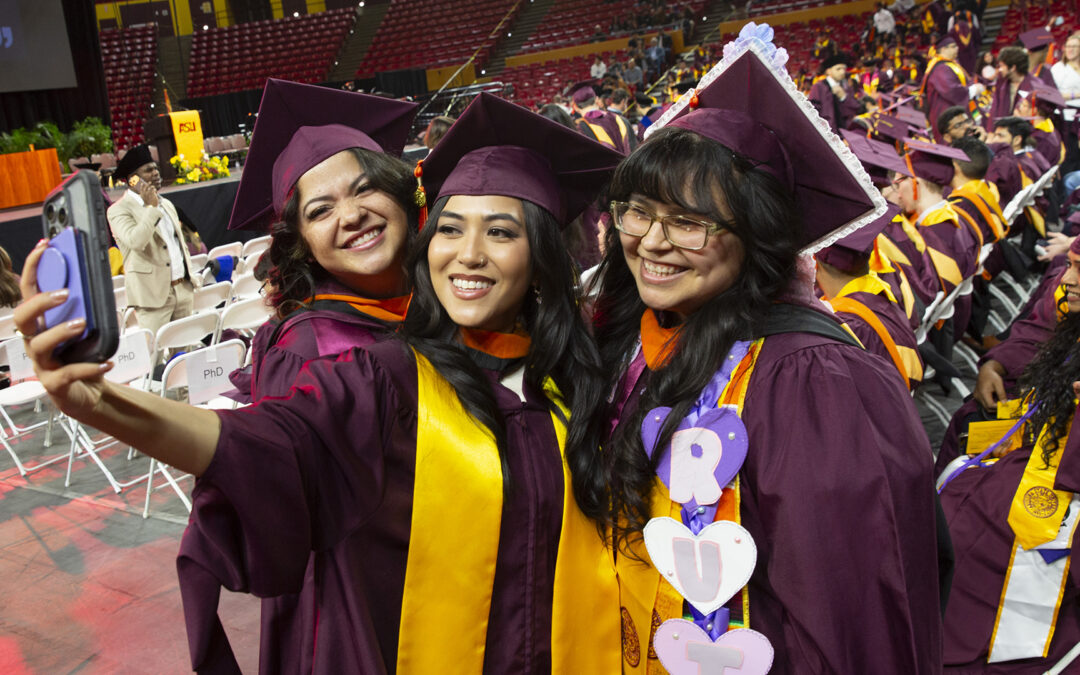
An accelerated online program, late nights and a bond built beyond the screen

ASU doctoral student Wil Gibbs spins DARPA competition-winning AI research into a $1.5 million cybersecurity startup

Cybersecurity students design AI system to translate cyber forensic evidence for judges and juries.

New technologies promise to transform health care and humanitarian assistance. But real-world conditions often complicate those ambitions. This talk explores why data, automation and digital tools don’t always translate smoothly into effective action on the ground. Using real examples and case studies, Dr. Yuehwern Yih will show how human judgment, local context and environmental uncertainty shape outcomes, and why designing technology with people and place in mind is essential for creating solutions that actually work.

By bridging computer vision and fashion, new tools aim to reduce waste, speed design and make digital clothing feel real.

Students will gain cyberforensics skills, put them to practice and compete in challenges!

By analyzing rhetoric instead of facts alone, Skeptik teaches users to question how information shapes what they believe.

From Friday night skill builders to national conferences, computer science club propels master’s student toward a fast-paced future.

Turning data into decisions, Kerner is showing how artificial intelligence can help people and the planet thrive together.

A revamped Fulton Schools programming course helps students build confidence, master coding through persistence and thrive alongside AI technology.
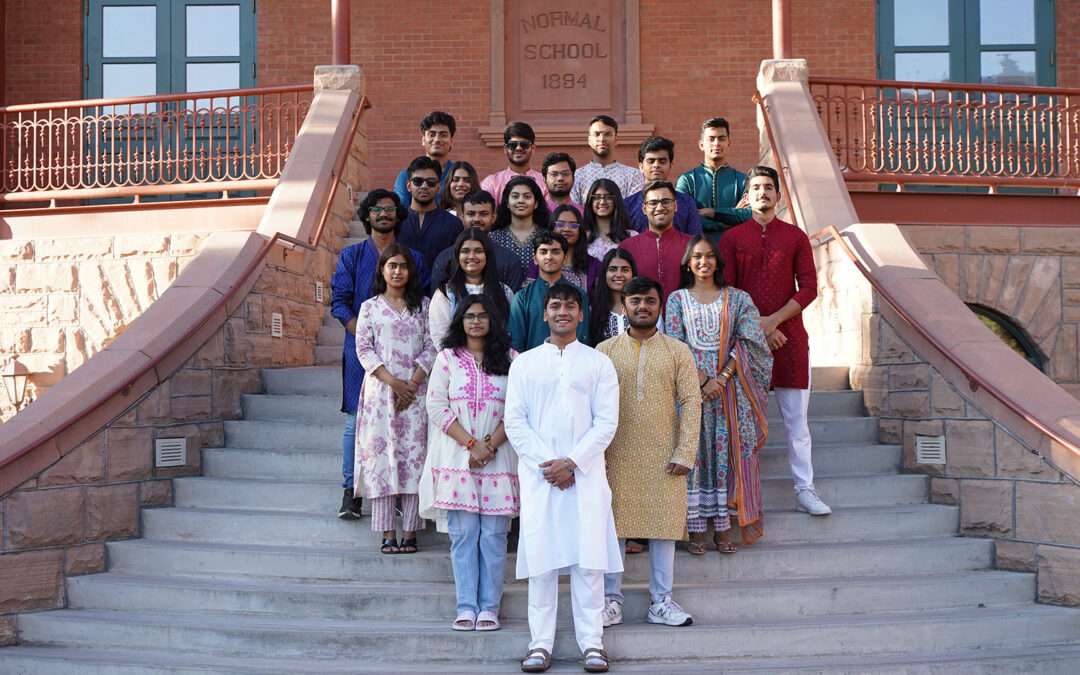
From airport greetings to campus festivals, Hindu YUVA builds community and connection for ASU’s international students through support and friendship.