ASU doctoral student Wil Gibbs spins DARPA competition-winning AI research into a $1.5 million cybersecurity startup

ASU doctoral student Wil Gibbs spins DARPA competition-winning AI research into a $1.5 million cybersecurity startup

From traffic systems to trustworthy AI, undergraduate researchers are solving problems the world can’t ignore.

Cybersecurity students design AI system to translate cyber forensic evidence for judges and juries.

The middle mile is where freight gets stuck and costs pile up. This innovative approach helps logistics networks sense trouble before delays snowball.

When every second counts, new AI-driven AR glasses may help save lives by delivering real-time medical instructions with no internet required.

New technologies promise to transform health care and humanitarian assistance. But real-world conditions often complicate those ambitions. This talk explores why data, automation and digital tools don’t always translate smoothly into effective action on the ground. Using real examples and case studies, Dr. Yuehwern Yih will show how human judgment, local context and environmental uncertainty shape outcomes, and why designing technology with people and place in mind is essential for creating solutions that actually work.

ASU graduate student and active-duty officer merges military expertise with advanced research to strengthen the nation’s cyber defense.

Deep underground, ASU students are using computer science to predict heat and water risks in a copper mine, helping make dangerous work safer.

By bridging computer vision and fashion, new tools aim to reduce waste, speed design and make digital clothing feel real.

Students will gain cyberforensics skills, put them to practice and compete in challenges!

By analyzing rhetoric instead of facts alone, Skeptik teaches users to question how information shapes what they believe.

From Friday night skill builders to national conferences, computer science club propels master’s student toward a fast-paced future.

Turning data into decisions, Kerner is showing how artificial intelligence can help people and the planet thrive together.

A revamped Fulton Schools programming course helps students build confidence, master coding through persistence and thrive alongside AI technology.

A Fulton Schools professor of practice brings industry and classroom experience to IEEE efforts advancing global software standards.

Satellites, sensors and models unite in Paul Grogan’s work to deliver faster, smarter disaster response, turning orbiting assets into lifesaving allies.
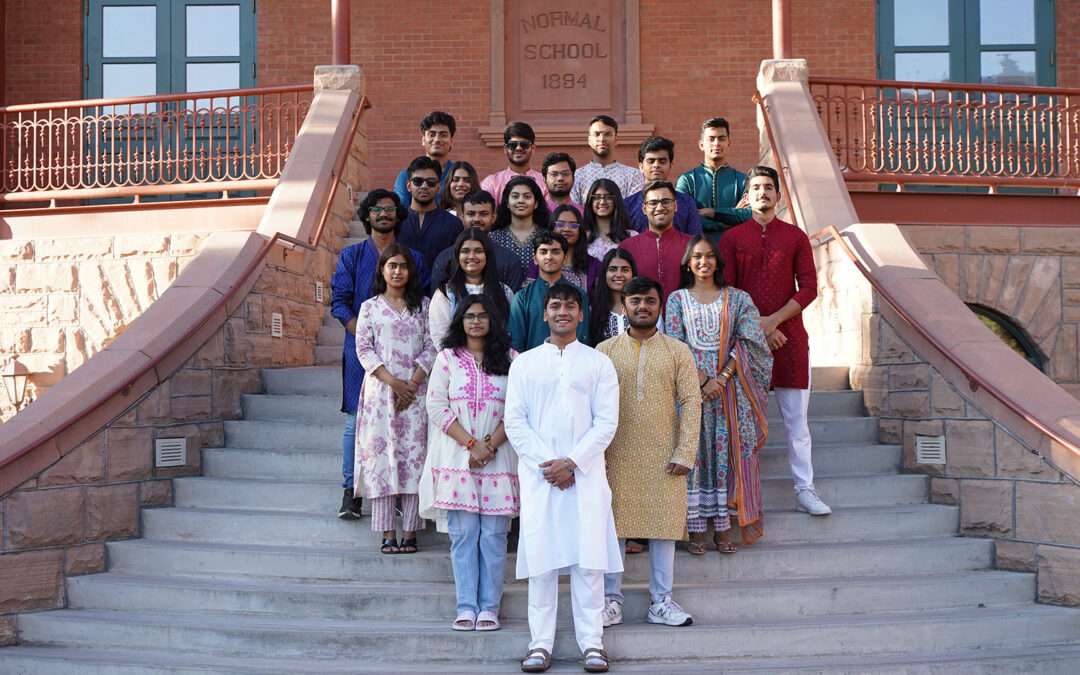
From airport greetings to campus festivals, Hindu YUVA builds community and connection for ASU’s international students through support and friendship.

As machines take on critical roles in medicine, transportation and energy, researchers are developing a common foundation to ensure they don’t fail us.

Hasan Davulcu builds transparent systems that explain decisions, cut toxic output and encourage balanced, respectful conversations.

Computer science students created CarbonCompass, an AI-powered tool that helps entrepreneurs find eco-friendly locations for their new businesses.